Understanding Amateur Radio and Its Benefits
What is Amateur Radio?
Amateur radio, often referred to as "ham radio," is a popular hobby that involves using radio frequencies for non-commercial communication. It allows licensed operators to communicate with each other across vast distances, experiment with radio technology, and provide emergency communication services. The essence of amateur radio is rooted in public service, technical experimentation, and fostering global connections through radio waves.
Benefits of Obtaining an Amateur Radio License
Obtaining an amateur radio license offers numerous benefits, including:
- Legal Operation: A license allows you to operate on amateur radio frequencies legally, ensuring compliance with regulations set by governing bodies like the Federal Communications Commission (FCC) in the United States.
- Emergency Communication: Licensed amateur radio operators play a crucial role in emergency situations, providing communication when traditional means fail. This can be vital during natural disasters or public service events.
- Technical Skills Development: The process of learning about radios, antennas, and electronics can enhance your technical knowledge and skills, making it a rewarding educational experience.
- Global Connectivity: Amateur radio allows you to connect with people worldwide, fostering friendships and cultural exchange that transcends geographic boundaries.
Community and Networking Opportunities
Joining the amateur radio community opens doors to numerous networking opportunities. Local clubs and organizations often host meetings, training sessions, and social events where you can meet fellow enthusiasts. Engaging with experienced hams can provide mentorship and guidance as you embark on your amateur radio journey. Additionally, many clubs participate in public service events, providing a chance to use your skills while supporting your community.
Types of Amateur Radio Licenses
Overview of License Classes: Technician, General, Extra
In the United States, the FCC issues three classes of amateur radio licenses, each with varying levels of privileges and requirements:
- Technician License: The entry-level license that grants access to VHF and UHF bands and limited HF privileges. It is ideal for beginners and requires basic knowledge of radio technology and regulations.
- General License: This intermediate level expands your operating privileges to more HF bands and allows for greater communication capabilities. It requires a deeper understanding of radio theory and regulations.
- Extra License: The highest level of amateur radio licensing, granting full access to all amateur bands and frequencies. To obtain this license, you must have extensive knowledge of radio theory, regulations, and operating practices.
Requirements for Each License Class
The requirements for each license class vary:
- Technician License: Candidates must pass a 35-question multiple-choice exam covering basic radio theory, regulations, and operating practices.
- General License: To obtain this license, you must pass an additional 35-question exam that tests your knowledge of more advanced topics such as electronics and radio propagation.
- Extra License: This class requires passing a 50-question exam that delves into the technical aspects of radio operation, including advanced theory and regulations.
Choosing the Right License Class for You
Your choice of license class should align with your interests and goals in amateur radio. If you're a complete beginner, starting with the Technician license is advisable. It allows you to get on the air quickly and gain hands-on experience. Once you feel comfortable and wish to explore more frequencies and modes, you can prepare for the General license. The Extra license is for those who want to dive deep into the technical side of amateur radio and enjoy the full spectrum of operating privileges.
The Licensing Examination Process
Preparing for the Amateur Radio Exam
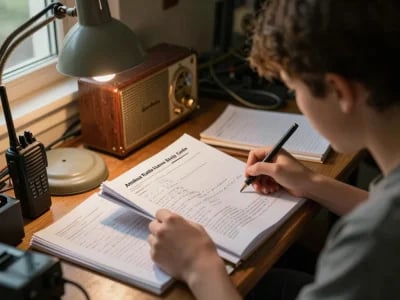
Preparation is key to passing your amateur radio exam. Here are some steps to ensure you're ready:
- Study Materials: Utilize study guides, textbooks, and online resources tailored to your desired license class. Popular resources include "The ARRL Ham Radio License Manual" and various online courses that provide practice tests and study materials.
- Practice Exams: Taking practice exams can help familiarize you with the question format and identify areas where you need further study. Websites like QRZ and HamStudy offer free practice tests.
- Join a Study Group: Consider joining a local amateur radio club or study group. Learning with others can enhance your understanding and provide motivation.
Where to Find Testing Sessions
Amateur radio exams are administered by Volunteer Examiners (VEs) at various locations across the country. To find a testing session near you:
- Visit the ARRL website or local amateur radio club websites, which often list upcoming testing sessions.
- Contact local clubs directly to inquire about their examination schedules.
- Utilize social media platforms or forums to connect with local hams who can provide information on upcoming tests.
Understanding the Exam Format and Question Types
The amateur radio exams consist of multiple-choice questions. Each exam has a specific number of questions, and you must achieve a passing score to obtain your license. For the Technician and General licenses, a passing score is typically 74% (26 correct answers out of 35). The Extra license requires a passing score of 75% (38 correct answers out of 50).
The questions cover various topics, including:
- Basic electronics: Understanding circuit components, Ohm's law, and basic electrical theory.
- Operating procedures: Best practices for communication, including proper etiquette and emergency procedures.
- Regulatory knowledge: Familiarity with the rules and regulations governing amateur radio operations.
Post-Licensing: Setting Up Your Station
Essential Equipment for Beginners
After obtaining your license, the next step is setting up your amateur radio station. Essential equipment includes:
- Transceiver: A combination of transmitter and receiver, such as the Icom IC-7300 or Yaesu FT-991A, which are user-friendly for beginners.
- Antenna: An appropriate antenna is crucial for effective communication. Options include vertical antennas for VHF/UHF or dipole antennas for HF bands.
- Power Supply: Ensure you have a reliable power source, such as a 13.8V power supply that can support your transceiver.
- Other Accessories: Consider additional gear like a microphone, headphones, and a logging software for tracking your contacts.
Choosing the Right Frequency and Mode
Amateur radio offers various frequency bands and modes of communication. As a beginner, you should start with:
- VHF/UHF Bands: These bands are excellent for local communication and are often less crowded. You can explore modes like FM and digital modes (DSC, DMR).
- HF Bands: Once you gain more experience, you may want to explore HF bands, which allow for long-distance communication using modes such as SSB (Single Sideband) and CW (Morse Code).
Best Practices for Operating Your Station
To ensure effective and responsible operation of your station, follow these best practices:
- Practice Good Etiquette: Always identify yourself with your call sign and follow proper communication protocols.
- Be Aware of Band Conditions: Monitor propagation conditions to choose the best frequencies for communication.
- Respect Other Operators: Be courteous and share the airwaves by avoiding interference with others.
Continuing Education and Advanced Opportunities
Exploring Advanced Licensing Options
As you grow more comfortable with amateur radio, consider pursuing advanced licensing options. Each upgrade opens up more privileges:
- General License: Pursuing this license allows access to more HF bands, enhancing your ability to communicate globally.
- Extra License: This license offers the most operating privileges and is ideal for those seeking to delve deeper into the technical aspects of amateur radio.
Participating in Amateur Radio Clubs and Events
Engaging with local amateur radio clubs provides invaluable support and learning opportunities. Participating in events such as Field Day, contests, and public service actions not only enhances your skills but also allows you to meet fellow enthusiasts. Clubs often organize training sessions and workshops that can help you prepare for further licensing exams and expand your knowledge.
Expanding Your Skills: Courses and Resources
To continue your education in amateur radio, consider enrolling in courses offered by organizations like the ARRL or taking advantage of online resources. Websites like YouTube have many channels dedicated to amateur radio topics, providing tutorials, equipment reviews, and operational tips. Additionally, books and magazines focused on amateur radio can serve as excellent resources for ongoing learning and inspiration.